PANYARDS & BANDS

Steelband panyards in Trinidad and Tobago evolved from informal street gatherings in the 1940s into cultural institutions by the 2000s, and today (2025) they remain central hubs for music, community, and Carnival preparation. Their history reflects the journey of steelpan from marginalized beginnings to national pride and global recognition
📜 Panyard Timeline (1945–2025)
1940s–1950s: Origins and Early Struggles
Post-WWII era (1945 onward): Steelpan emerged from tamboo bamboo traditions, with panyards forming in urban neighborhoods like Port of Spain, St. James, and Belmont. Community hubs: Panyards were informal spaces—empty lots, street corners—where young men experimented with discarded oil drums. Social stigma: Steelbands were often associated with violence and gang rivalry, leading to police crackdowns. Despite this, panyards became vital for Carnival rehearsals. National Trust of Trinidad and Tobago1960s–1970s: Institutionalization and Growth
Pan pioneers: Innovators like Ellie Mannette and Winston “Spree” Simon refined instruments and tuning methods. Formal panyards: Bands began establishing permanent spaces, often supported by local communities or sponsors. Competitions: Panorama (launched in 1963) elevated panyards into training grounds for large-scale performances. Cultural legitimacy: Steelpan was increasingly recognized as a national art form, reducing stigma. NALIS1980s–1990s: Expansion and Professionalization
Educational role: Panyards became schools of music, teaching younger generations pan techniques and arranging. Tourism and global reach: Steelbands toured internationally, and panyards became cultural attractions. Community development: Panyards offered mentorship, reducing youth involvement in crime and fostering discipline. Infrastructure: Many panyards gained semi-permanent structures, with rehearsal sheds and storage for instruments.2000s–2010s: Modernization and Challenges
Technology integration: Use of amplification, recording, and digital tools in panyards. Funding issues: Many bands struggled with financial sustainability, relying on government grants and sponsors. Cultural preservation: Panyards became heritage sites, recognized by institutions like the National Trust. Community resilience: Despite urban development pressures, panyards remained vital Carnival centers.2020s–Present: Contemporary Role
Global recognition: Steelpan is celebrated worldwide, but panyards remain the heartbeat of Trinidadian Carnival. Hybrid spaces: Some panyards now serve as cultural centers, hosting workshops, concerts, and community events year-round. Youth engagement: Programs encourage young players, ensuring continuity of tradition. Digital outreach: Bands livestream rehearsals and performances, connecting diaspora communities. Cultural identity: Panyards symbolize resilience, creativity, and national pride, bridging past struggles with modern innovation.🏛 Historical Context
1940s–1950s: Early panyards were informal, often in Port of Spain neighborhoods like Belmont and St. James. National Trust of Trinidad and Tobago 1960s onward: As Panorama competitions grew, panyards became more formalized and spread across Trinidad. Today (2025): Nearly every major town has at least one panyard, serving as rehearsal spaces, youth training centers, and cultural landmarks.📍 Key Panyard Locations in Trinidad & Tobago
Northern Region (Port of Spain & Laventille)
BP Renegades Steel Orchestra – #138 Renegades Way (Charlotte Street), Port of Spain. WITCO Desperadoes Steel Orchestra – Desperadoes Pan Theatre, Lot 6–8 George Street, Port of Spain. Courts Sound Specialists – La Paix Circular, Eastern Main Road, Laventille. Highlander Steel Orchestra – #4 Eastern Main Road, Success Village, Laventille.Eastern Region
Birdsong Academy – UWI Old Works Compound, St. Augustine. Cordettes Academy for the Arts – #40 Foster Road, Sangre Grande. SuperNovas Steel Orchestra – Surrey Village, Lopinot Road, Arouca. Arima Golden Symphony – Priority Bus Route Mall, Arima. Arouca Worship Centre Steel Orchestra – Lower Railway Road, Arouca.South/Central Region
Fonclaire Steel Orchestra – Dottin Street, San Fernando.Tobago Region
Buccaneers🗺️ Panyard Distribution Map
🔥 What Were Steelband Clashes?
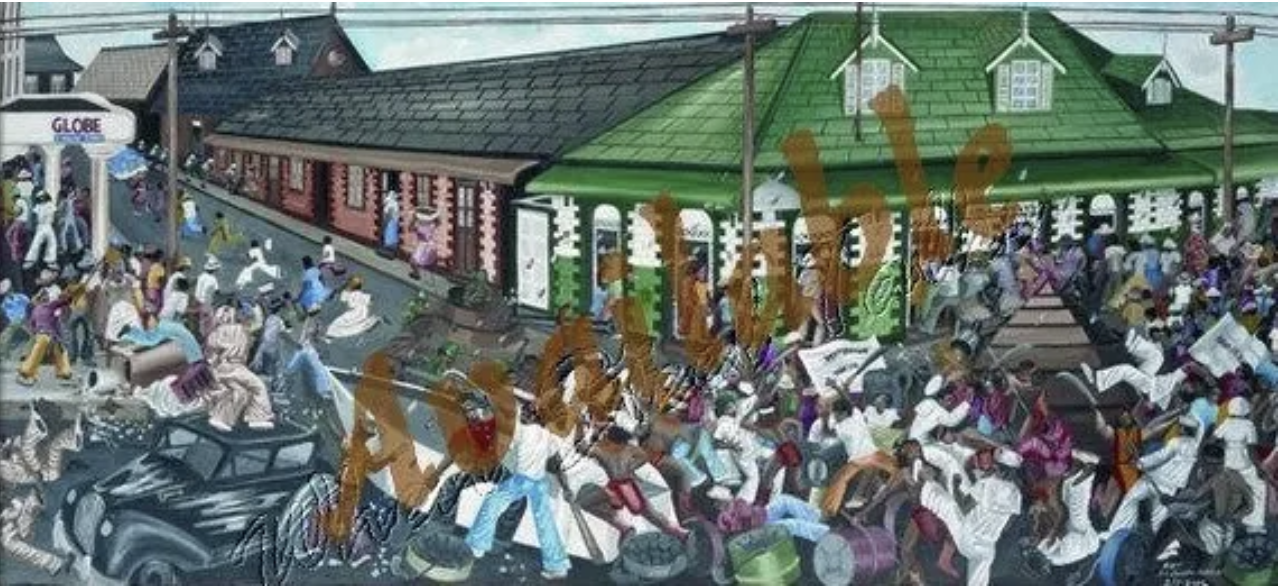 Steelband clashes in 1950s Trinidad were intense street battles between rival pan groups like Invaders, Tokyo, Casablanca, and San Juan All Stars, often erupting during Carnival with sticks, bottles, and even cutlasses.
Steelband clashes were violent confrontations between rival steelbands, especially during Carnival in Port of Spain. These weren’t just musical rivalries — they involved territorial pride, community identity, and fierce competition. Bands were deeply tied to their communities, and clashes often reflected neighborhood rivalries.
Timeframe: Most intense during the 1940s–1950s
Hotspots: Areas like Wrightson Road and French Street were dubbed the “Gaza Strip” of Carnival due to frequent clashes.
Weapons Used: Clashes involved sticks, bottles, stones, and cutlasses.
Trigger Points: Carnival parades, practice sessions, arguments over women, and territorial encroachments.
Steelband clashes in 1950s Trinidad were intense street battles between rival pan groups like Invaders, Tokyo, Casablanca, and San Juan All Stars, often erupting during Carnival with sticks, bottles, and even cutlasses.
Steelband clashes were violent confrontations between rival steelbands, especially during Carnival in Port of Spain. These weren’t just musical rivalries — they involved territorial pride, community identity, and fierce competition. Bands were deeply tied to their communities, and clashes often reflected neighborhood rivalries.
Timeframe: Most intense during the 1940s–1950s
Hotspots: Areas like Wrightson Road and French Street were dubbed the “Gaza Strip” of Carnival due to frequent clashes.
Weapons Used: Clashes involved sticks, bottles, stones, and cutlasses.
Trigger Points: Carnival parades, practice sessions, arguments over women, and territorial encroachments.
Bands in Major Clashes
Invaders (Woodbrook) Tokyo (East Port of Spain) Casablanca (Belmont) San Juan All Stars (San Juan) Desperadoes (Laventille) 🛡️ Response & Reform 1950: Formation of the National Association of Trinidad & Tobago Steelbandmen (NATTS) to promote unity and reduce violence. 1951: Eleven top pannists selected to perform at the Festival of Britain, marking a shift from street clashes to international recognition. Later Years: Panorama competitions and formal band structures helped channel rivalry into musical competition rather than violence. 👉 The clashes were part of the steelband’s growing pains, reflecting community pride and territorial identity. These confrontations shaped the steelband movement and led to the formation of organizing bodies to reduce violence and promote musical excellence. They eventually gave way to organized competition and international recognition, helping steelpan evolve into a respected art form.Think you've mastered this topic?
Test Your Knowledge →